
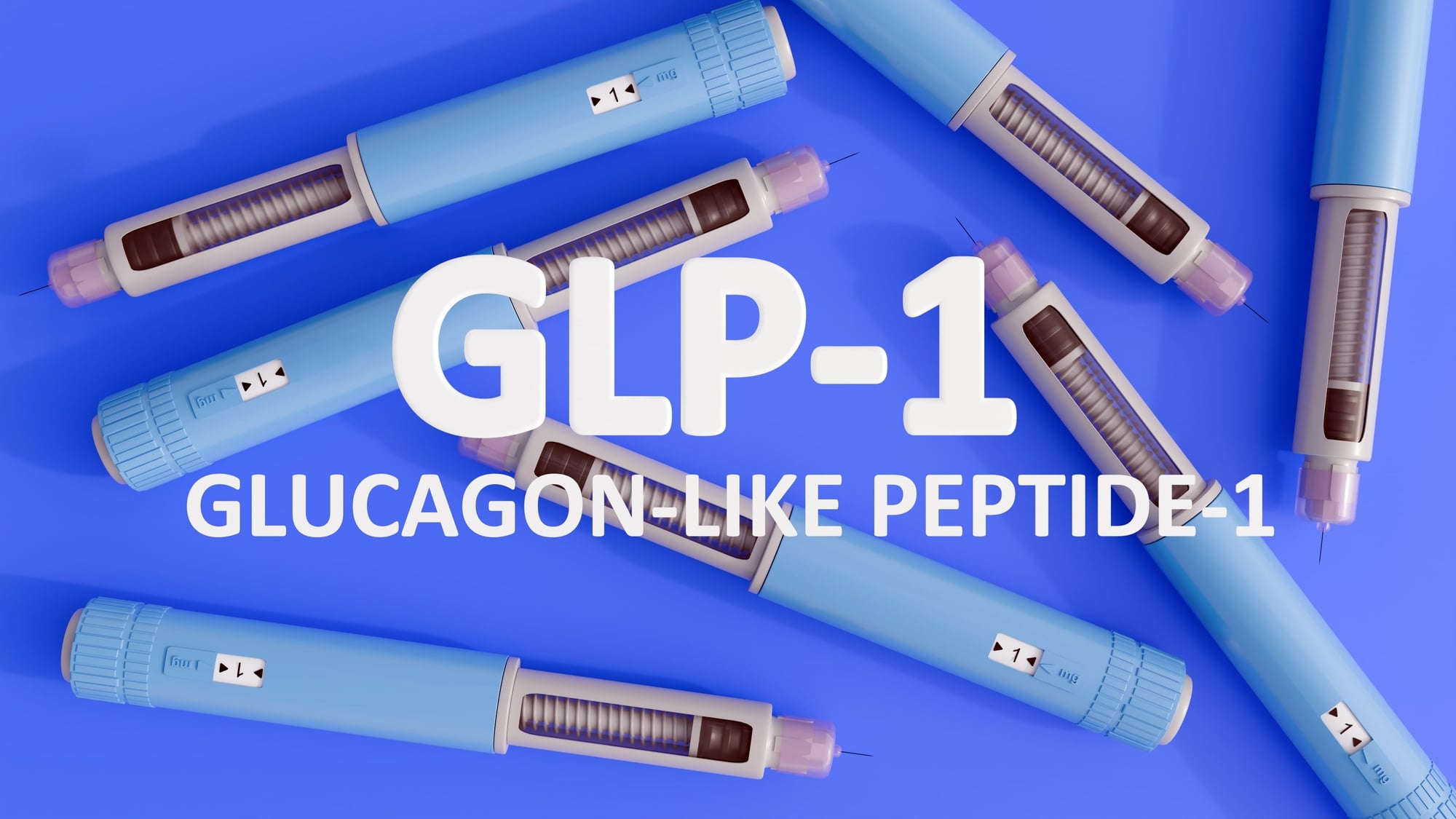
The Centers for Medicare & Medicaid Services (CMS) has launched the Medicare GLP-1 Bridge, a temporary demonstration program that expands access to certain GLP-1 medications for chronic weight management.
Beginning July 1, 2026, eligible Medicare beneficiaries can obtain certain covered medications for a $50 monthly copayment through the demonstration. The program is currently scheduled to continue through December 31, 2027.
For federal retirees enrolled in Medicare, understanding how the GLP-1 Bridge works can help determine whether it may be an option alongside existing Medicare and Federal Employees Health Benefits (FEHB) coverage.
This guide explains eligibility, covered medications, costs, and important considerations using information from CMS and Medicare.gov.
Key Takeaways
- The Medicare GLP-1 Bridge is a temporary CMS demonstration that began July 1, 2026.
- Eligible beneficiaries pay a flat $50 monthly copayment for covered medications.
- The program is scheduled to continue through December 31, 2027.
- The demonstration operates separately from the standard Medicare Part D benefit.
- Eligibility depends on specific medical criteria established by CMS.
- Not everyone taking a GLP-1 medication qualifies for the Bridge program.
GLP-1 medications have become an important treatment option for obesity and other chronic health conditions. Until recently, Medicare generally did not cover medications prescribed solely for weight loss. To expand access while gathering information for future policy decisions, CMS created the Medicare GLP-1 Bridge demonstration. The program offers eligible Medicare beneficiaries access to certain FDA-approved GLP-1 medications for chronic weight management at a predictable monthly cost.
Although the demonstration is temporary, it represents a significant new coverage option for many Medicare beneficiaries, including retired federal employees.

What Is the Medicare GLP-1 Bridge?
The Medicare GLP-1 Bridge is a nationwide CMS demonstration program that provides access to selected GLP-1 medications used for chronic weight management. The program:
- Began July 1, 2026
- Is currently scheduled to continue through December 31, 2027
- Is available nationwide
- Requires enrollment in Medicare Part D
- Operates outside the standard Medicare Part D prescription drug benefit
Instead of using the normal Part D payment process, CMS administers the demonstration through a separate payment system.
Which Medications Are Covered?
As of the current CMS guidance, the Medicare GLP-1 Bridge includes:
- Wegovy (injectable and tablet formulations)
- Zepbound KwikPen
- Foundayo tablets
CMS specifically notes that single-dose Zepbound pens and single-dose Zepbound vials are not included in the demonstration.
Because CMS may update the list of covered medications during the demonstration, beneficiaries should verify current coverage through Medicare before beginning treatment.
Who Is Eligible?
Eligibility is determined by CMS and requires a healthcare provider to certify that a beneficiary meets the medical criteria. A beneficiary may qualify if one of the following applies:
- Body Mass Index (BMI) of 35 or Higher
- Individuals with a BMI of 35 or greater may qualify for the demonstration.
- BMI of 30 or Higher With Certain Medical Conditions
Individuals with a BMI of at least 30 may qualify if they also have one of the following conditions:
- Heart failure with preserved ejection fraction
- Uncontrolled hypertension
- Chronic kidney disease stage 3a or higher
BMI of 27 or Higher With Certain Cardiovascular or Metabolic Conditions
Individuals with a BMI of at least 27 may qualify if they have one of the following:
- Prediabetes
- Previous heart attack
- Previous stroke
- Symptomatic peripheral artery disease
A healthcare provider must submit the required prior authorization before medication can be dispensed.
Who Is Not Eligible?
Some Medicare beneficiaries may already receive coverage for GLP-1 medications through their Medicare Part D plan because the medication is prescribed for another FDA-approved use. Examples include treatment for:
- Type 2 diabetes
- Moderate-to-severe obstructive sleep apnea
- MASH (metabolic dysfunction-associated steatohepatitis)
These beneficiaries generally are not eligible for the Bridge demonstration because Medicare already provides prescription drug coverage for those medical conditions.
How Much Does It Cost?
Eligible beneficiaries pay:
- $50 for a one-month supply of a covered medication
The demonstration operates separately from the standard Medicare Part D benefit. As a result, the $50 monthly payment:
- Does not count toward the Part D deductible
- Does not count toward annual Part D out-of-pocket spending
- Does not appear on a Medicare Part D Explanation of Benefits
- Is not reduced through the Medicare Extra Help program
What Federal Retirees Should Know
Many retired federal employees are enrolled in both Medicare and FEHB coverage.
The Medicare GLP-1 Bridge does not replace FEHB coverage. Instead, it provides another potential source of prescription drug coverage for eligible Medicare beneficiaries.
Federal retirees should remember:
- Eligibility is determined by CMS — not by an FEHB plan.
- A physician or other qualified healthcare provider must submit prior authorization.
- Existing Medicare Part D coverage for another approved indication may affect eligibility.
- Beneficiaries who have questions about how the demonstration works with their existing coverage should contact their FEHB plan, pharmacist, or Medicare.
The National Active and Retired Federal Employees Association (NARFE) has highlighted the Medicare GLP-1 Bridge as an important development for many federal retirees who previously found GLP-1 medications difficult to afford.
Prior Authorization Is Required
A prescription alone does not qualify a beneficiary for the Medicare GLP-1 Bridge. CMS requires the prescribing healthcare provider to submit prior authorization confirming that the beneficiary meets the demonstration’s eligibility requirements before the medication can be dispensed.
CMS specifies that only 28-day or 30-day supplies are covered per fill, and that switching between covered GLP-1 drugs triggers a new prior authorization.
Example
Susan is a retired federal employee enrolled in Medicare Part D and FEHB coverage. Her physician determines that she has a BMI of 36 and meets the Medicare GLP-1 Bridge eligibility requirements.
After CMS approves the required prior authorization, Susan fills her prescription through the demonstration and pays the program’s $50 monthly copayment.
Frequently Asked Questions
Is the Medicare GLP-1 Bridge a permanent Medicare benefit?
No. The demonstration is currently scheduled to continue through December 31, 2027.
Do all GLP-1 medications qualify?
No. Only medications included in the CMS demonstration are covered.
Does everyone taking a GLP-1 medication qualify?
No. Some beneficiaries already receive Medicare Part D coverage because they use the medication for another approved medical condition and therefore are generally not eligible for the Bridge.
Does the $50 payment count toward my Medicare Part D deductible?
No. Because the demonstration operates outside the standard Part D benefit, the payment does not count toward the deductible or annual out-of-pocket maximum.
Do I still need Medicare Part D?
Yes. Enrollment in Medicare Part D is required to participate in the demonstration.