
Sales tax holidays provide consumers with a temporary opportunity to purchase certain items without paying state sales tax. While these events are often associated with back-to-school shopping, many states also offer tax-free periods for emergency preparedness supplies, energy-efficient appliances, and other qualifying purchases.
For federal employees, retirees, and their families, a sales tax holiday can be an easy way to reduce the cost of planned purchases. However, each state sets its own rules regarding eligible items, spending limits, and holiday dates, making it important to verify the details before shopping.
What Is a Sales Tax Holiday?
A sales tax holiday is a temporary period established by state law during which specific products are exempt from state sales tax. These holidays are designed to encourage spending or provide relief for certain types of purchases. The most common examples include:
- Back-to-school clothing
- School supplies
- Computers and related equipment
- Hurricane preparedness supplies
- Emergency preparedness equipment
- Energy-efficient appliances
Some holidays last only a weekend, while others may extend for several weeks.
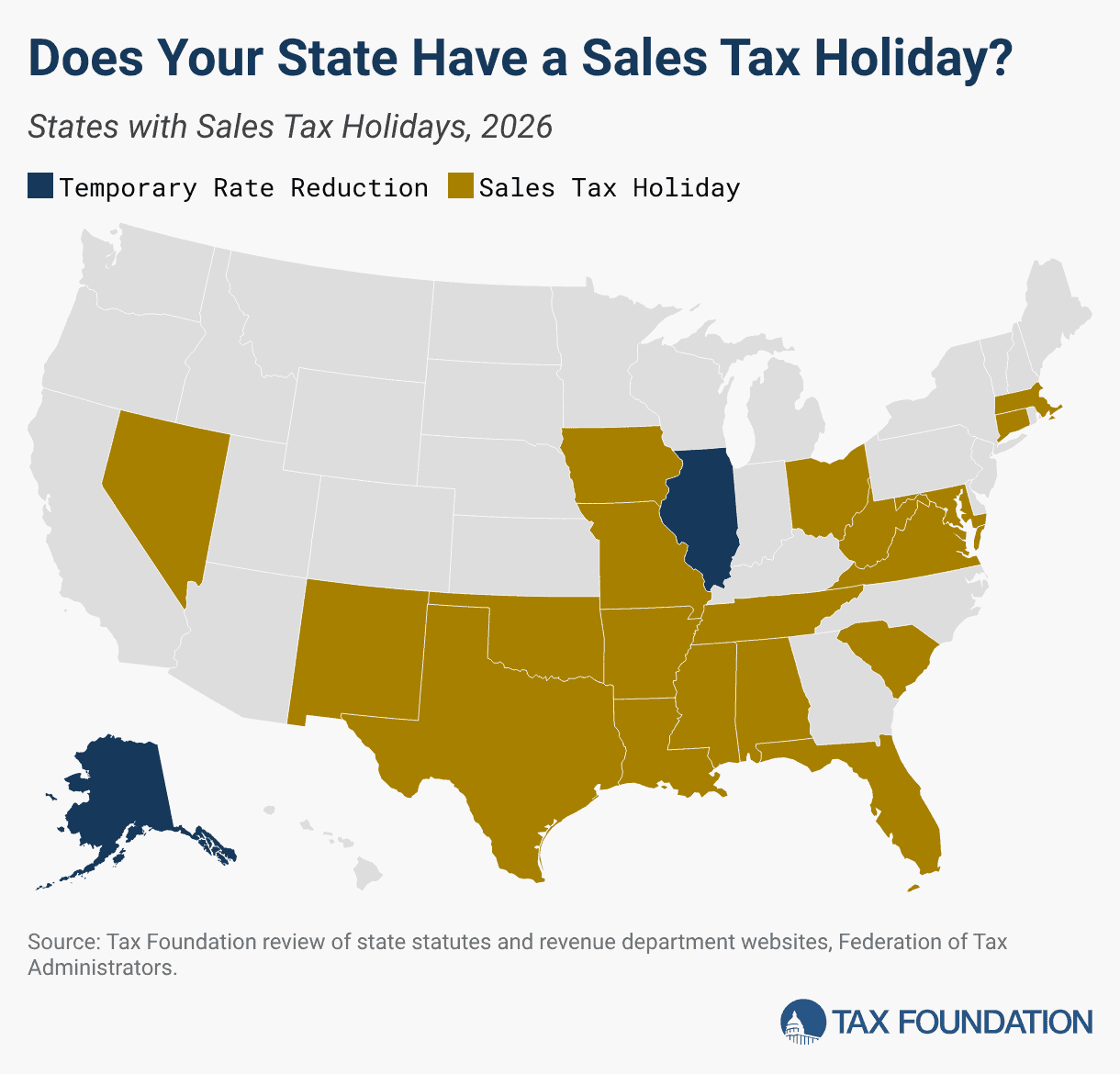
Does Every State Offer a Sales Tax Holiday?
No. Sales tax holidays are entirely optional, and each state decides whether to establish one. Some states hold annual events, while others have discontinued them or have never adopted them.
The Tax Foundation publishes an annual guide that summarizes participating states, holiday dates, qualifying products, and spending limits. Because state legislatures may change these programs from year to year, consumers should review the latest information before planning purchases. Not every state offers every category of holiday, and eligibility requirements vary considerably.

How Much Could You Save?
The amount you save depends on:
- Your state’s sales tax rate
- Whether local taxes are also waived
- The value of your qualifying purchases
- The state’s purchase limits
For example, suppose you purchase:
- $400 in clothing
- A $700 laptop
- $150 in school supplies
If all items qualify under your state’s sales tax holiday and meet any price limitations, you could avoid paying state sales tax on those purchases. Actual savings vary depending on state and local tax rates.
Before You Shop
Before making purchases during a sales tax holiday, consider the following:
- Review your state’s eligible products.
- Check any per-item price limits.
- Confirm the holiday dates.
- Verify whether online purchases qualify.
- Determine whether local sales taxes are also waived.
- Keep your receipts in case questions arise regarding eligibility.
These simple steps can help ensure you receive the intended tax savings.
Why Some States Offer Sales Tax Holidays
Supporters argue that sales tax holidays provide short-term tax relief and encourage consumer spending, particularly during expensive shopping seasons. The Tax Foundation notes, however, that economists continue to debate their overall effectiveness. While these holidays remain politically popular, research suggests they often shift the timing of purchases rather than creating significant new economic activity.
Regardless of the broader policy debate, consumers who were already planning qualifying purchases may still benefit from the temporary tax savings.
Frequently Asked Questions
Do all states have sales tax holidays?
No. Participation varies by state, and several states choose not to offer temporary sales tax exemptions.
Do online purchases qualify?
Often they do, provided the purchase meets the state’s requirements and is completed during the qualifying period. Rules differ by state.
Can retirees benefit from a sales tax holiday?
Yes. Although many holidays focus on school-related purchases, some states also exempt emergency preparedness supplies, energy-efficient appliances, and other products that retirees may find useful.
Should I rely on a retailer’s advertisement?
Retailers generally promote qualifying events, but shoppers should verify eligibility through their state’s department of revenue or taxation because rules can change.